Senior product designer, 10+ years designing data heavy products. I turn dense data and AI into clear decisions people can trust, test with real users, and build what I design in code.
The AI’s Alibi
Ten lines. Not all hold up. Sixty seconds.
Each line comes with its alibi, the source it says it came from. Does it hold up?
Selected work. Shipped work, client work and products of my own. Newest and strongest first.
Short on time? Start with Morning Crate, Groundwork and the The AI’s Alibi.
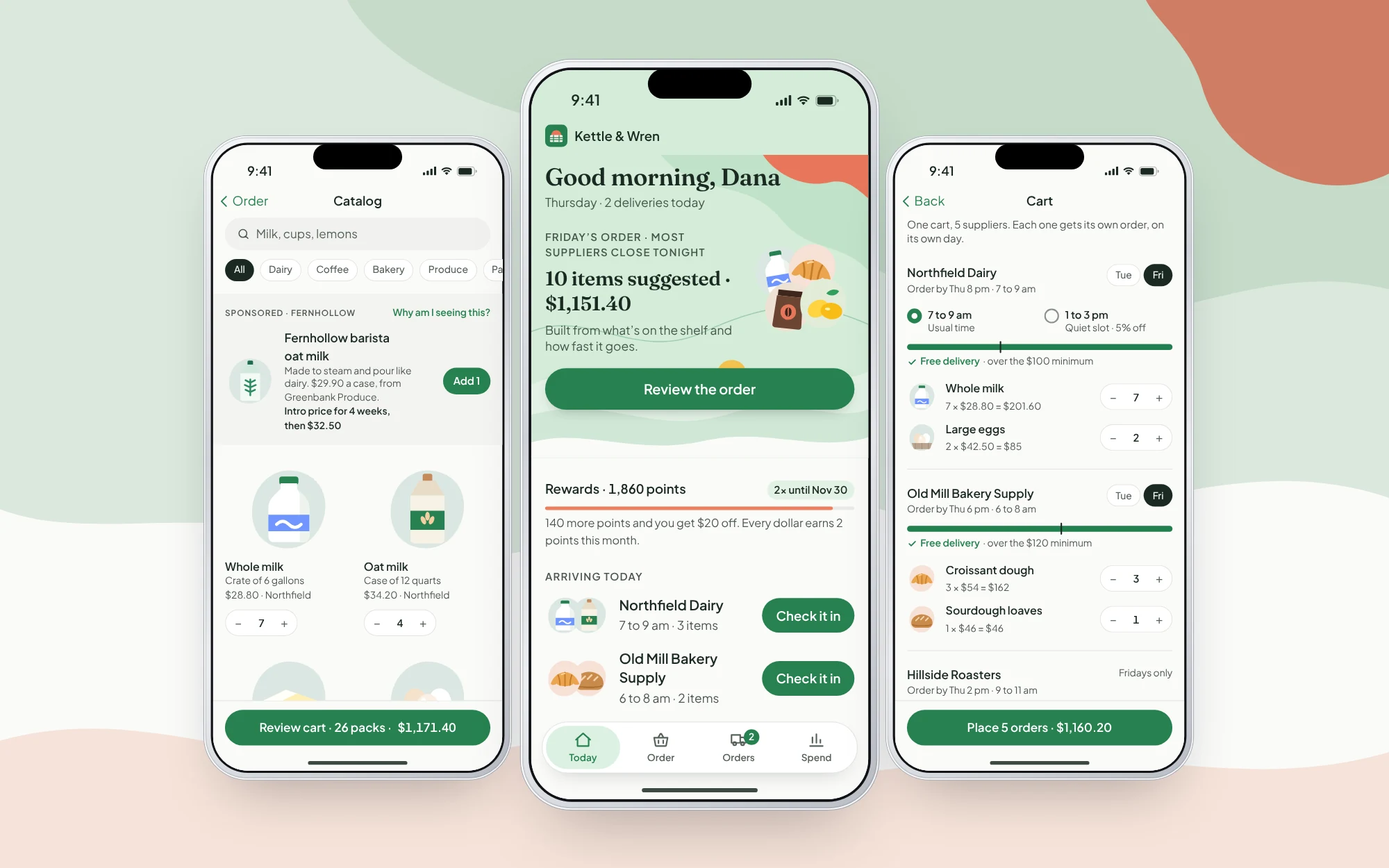
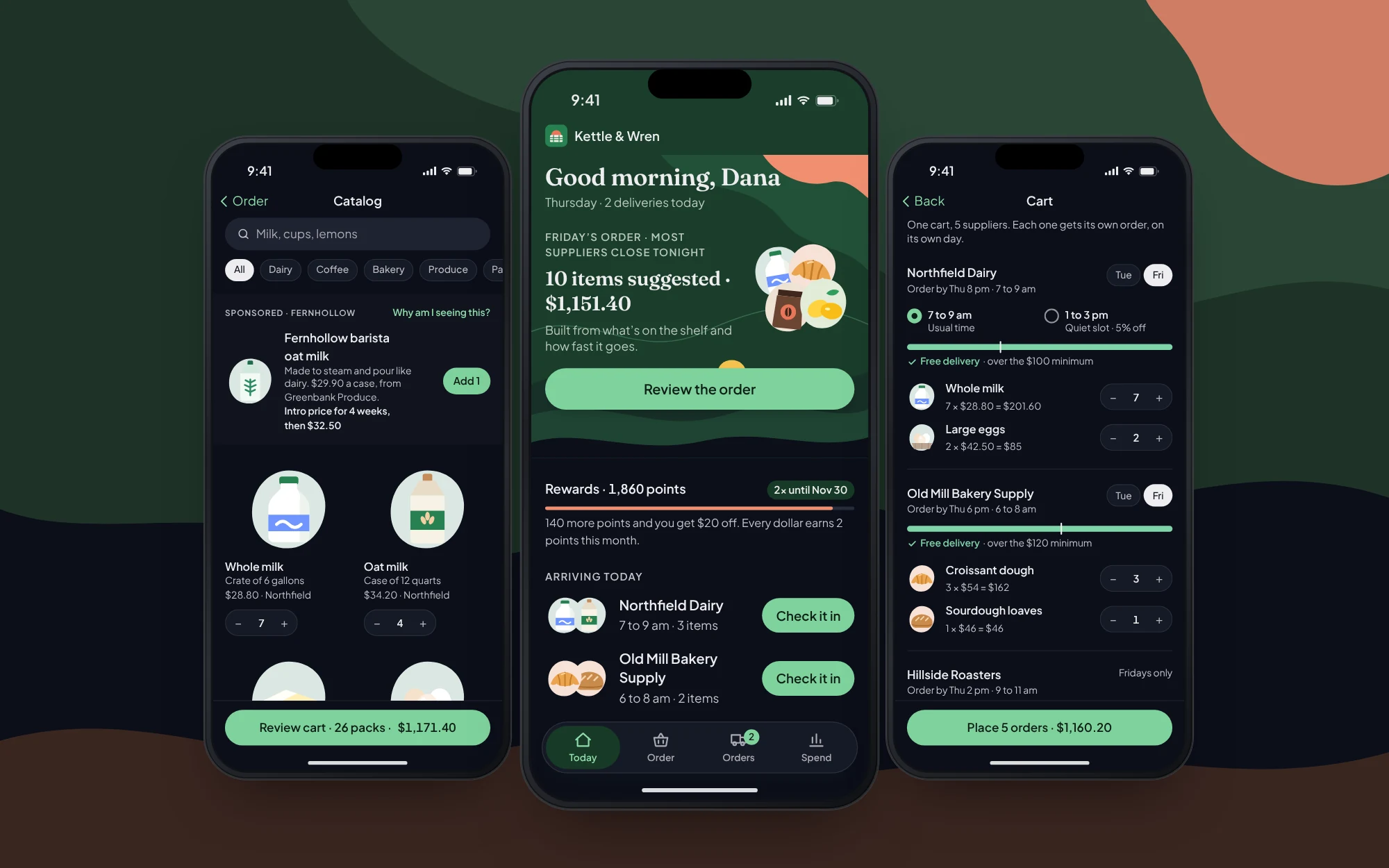 Concept · B2B e-commerce · Phone first, plus webThe weekly order for small cafés, done on the phone before the rushOne cart for five suppliers, checked in at the doorA phone app and web portal on one order: suggested orders, one cart across suppliers, check in at the door.Designer and builderRead
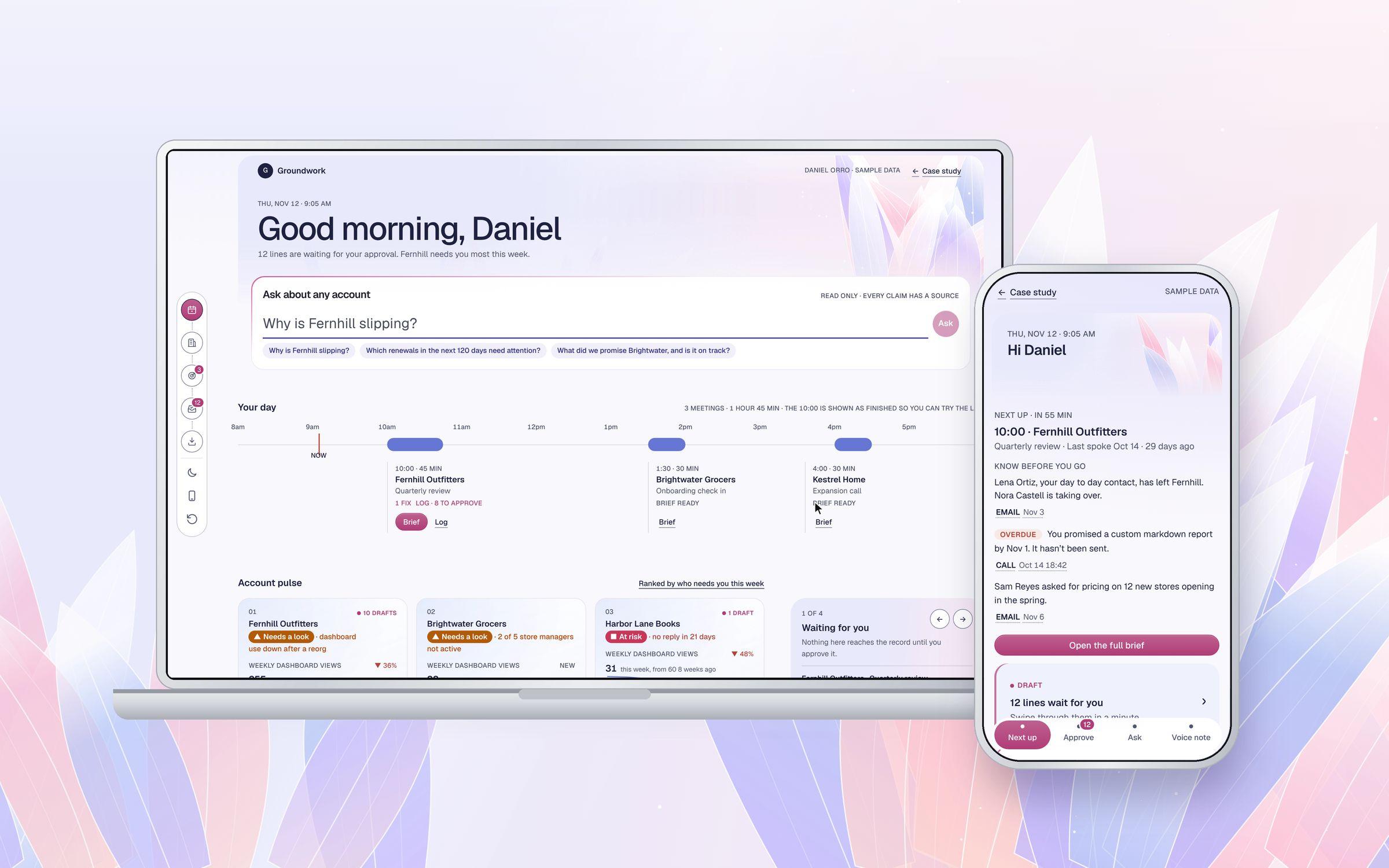
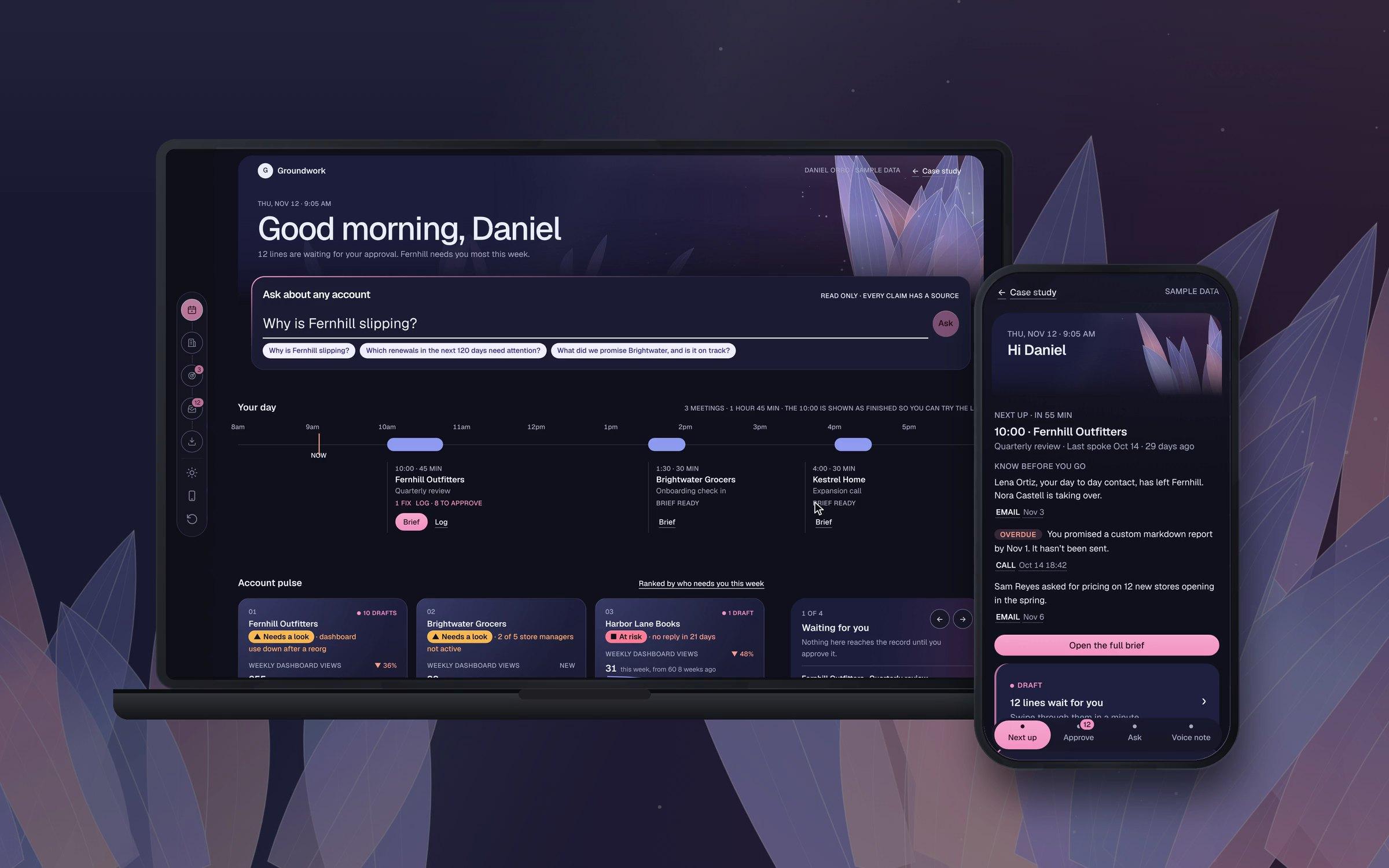 Concept · Enterprise CRM · AIA CRM where AI keeps the account record and people make every callNo AI line reaches the record without a personNothing the AI writes reaches the record without a person. A working web and phone app, built in code with tests.Designer and builderTry it
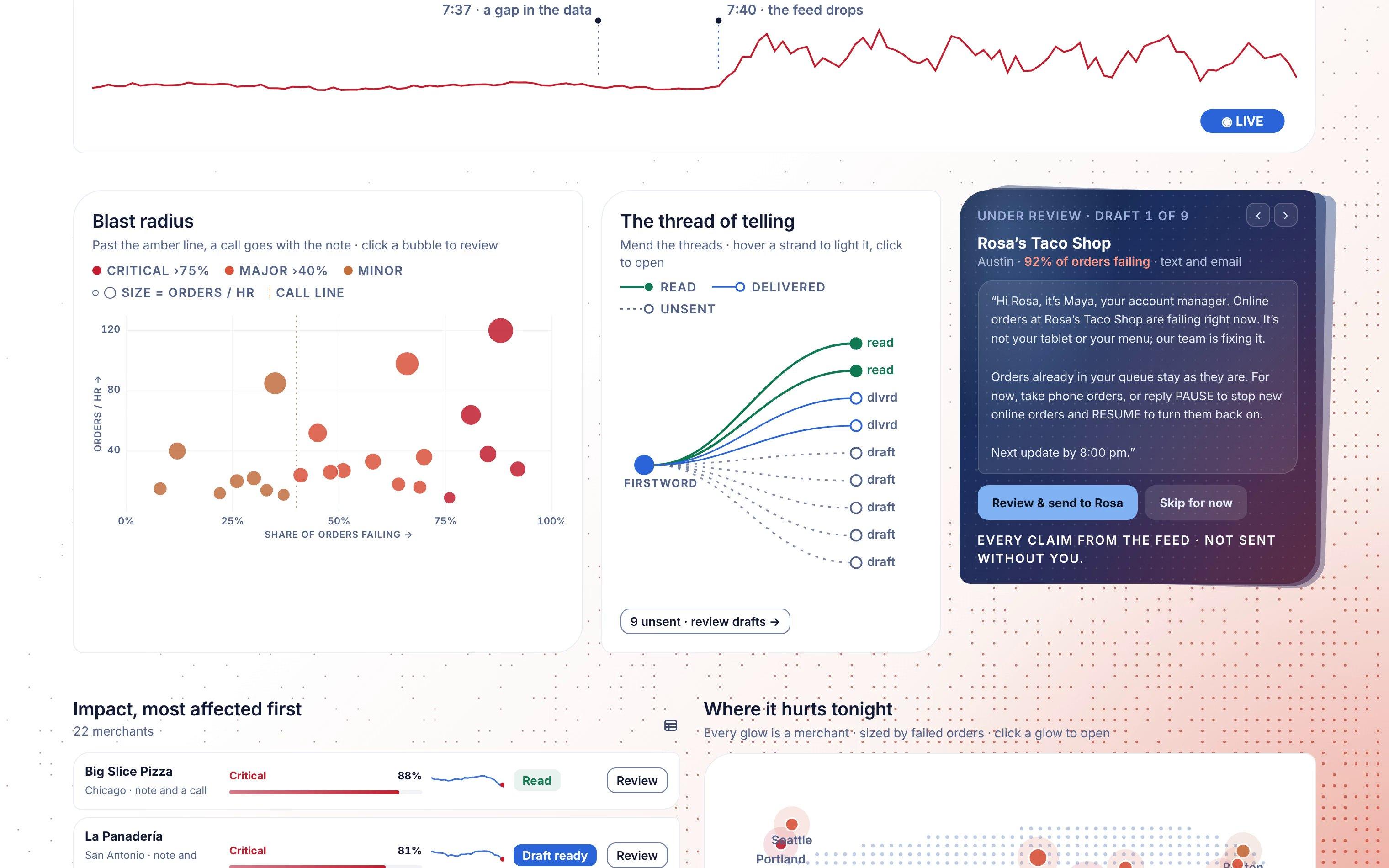
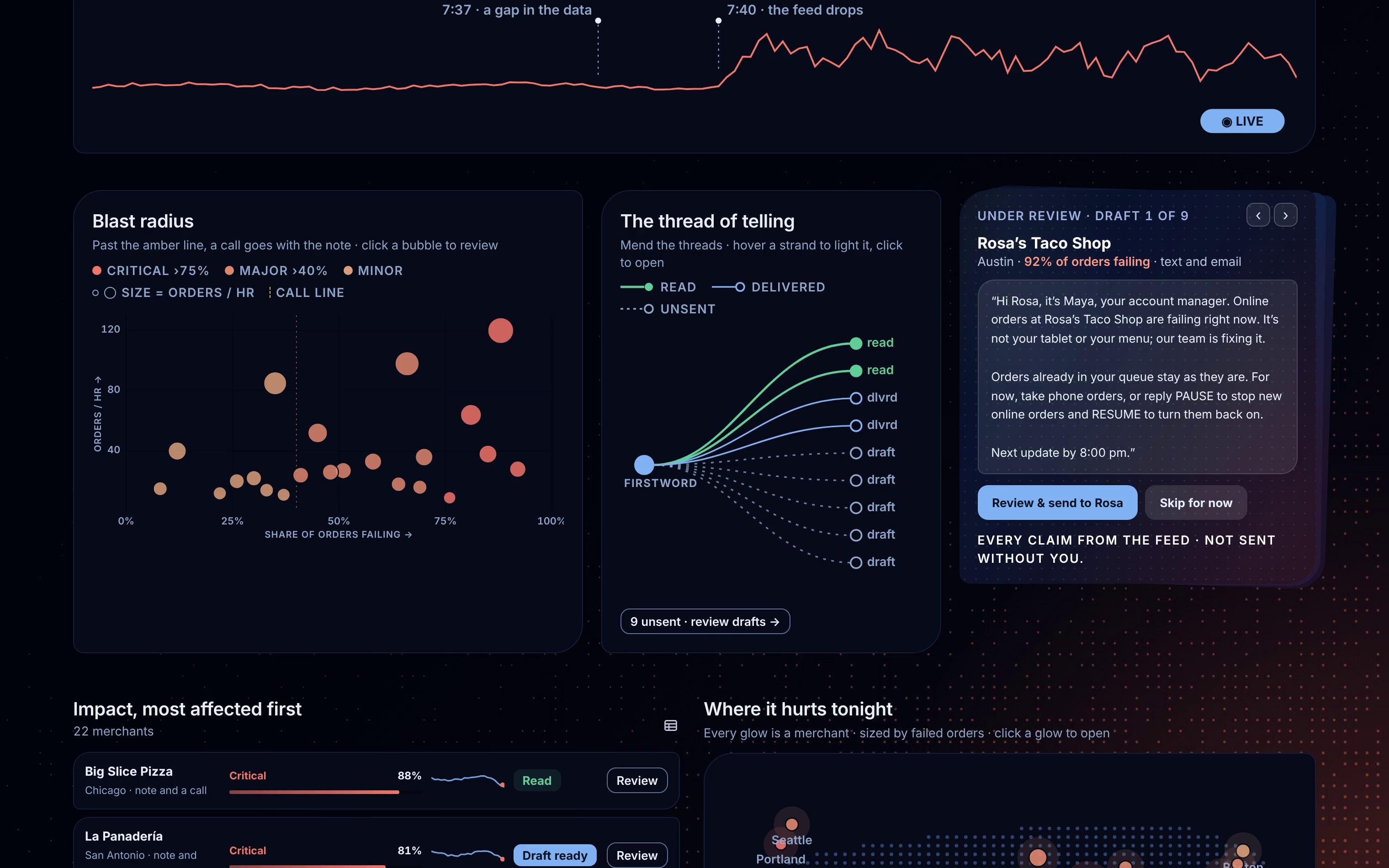 Concept · Outage response · AIAI finds who an outage affects and drafts the first wordWho an outage hits, found in one viewA working app on the web and the phone, with a minute by minute replay of an outage.Designer and builderTry it
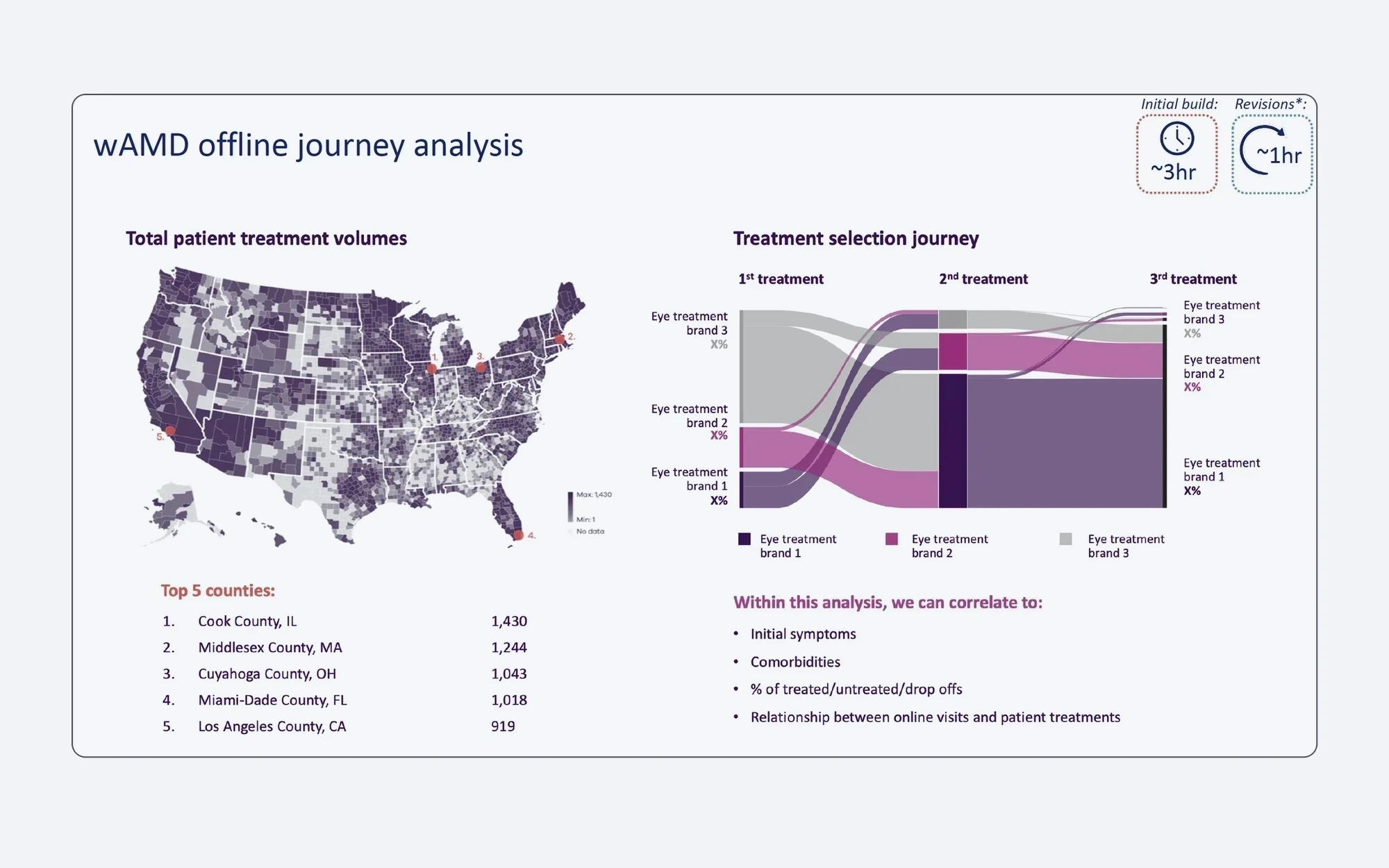
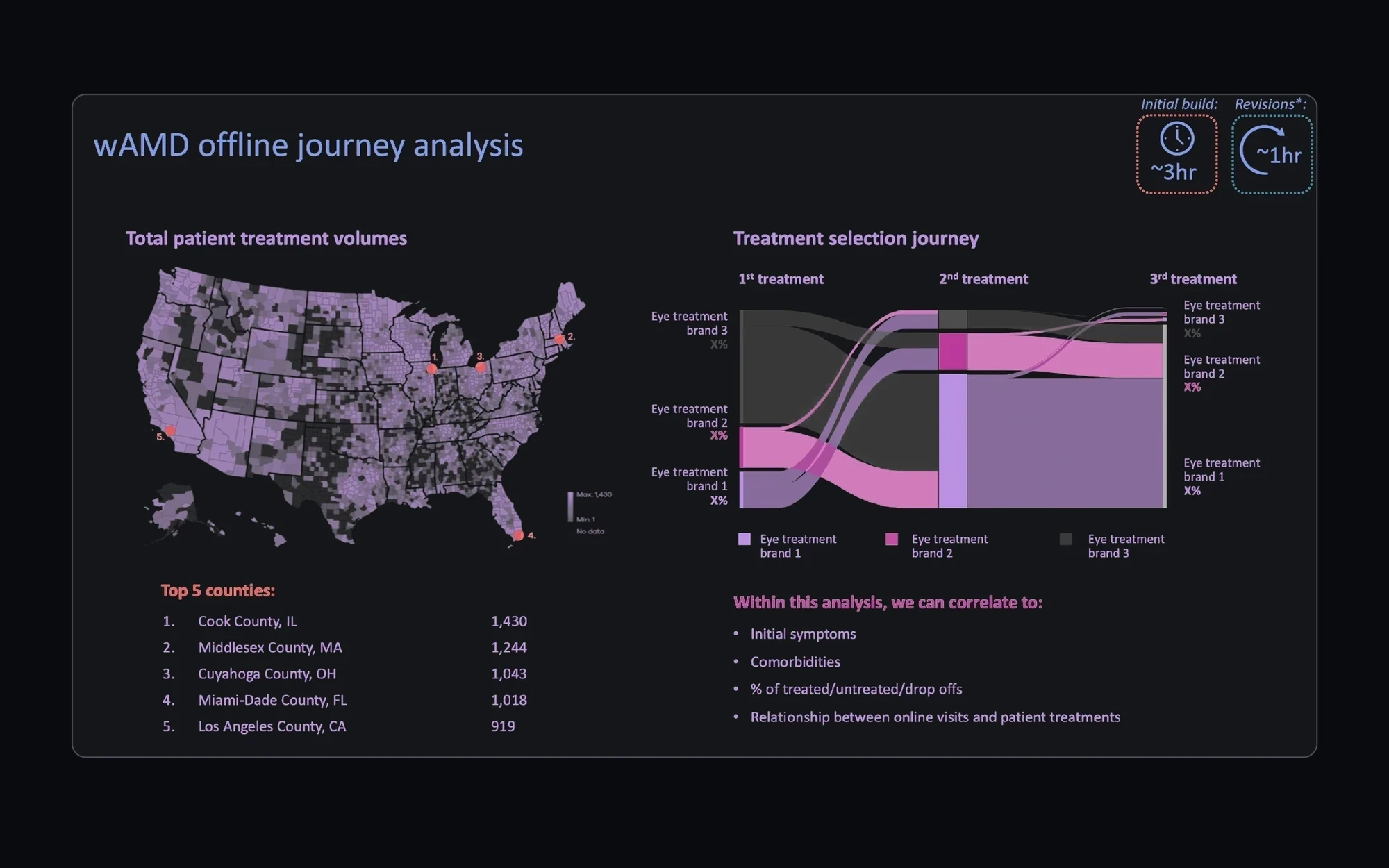 Healthcare · Clinical data · Client workClinical trial data doctors can read in secondsThree brands, one chart languageEfficacy and safety results redrawn for kidney disease, ALS and breast cancer brands.Data visualization specialistRead
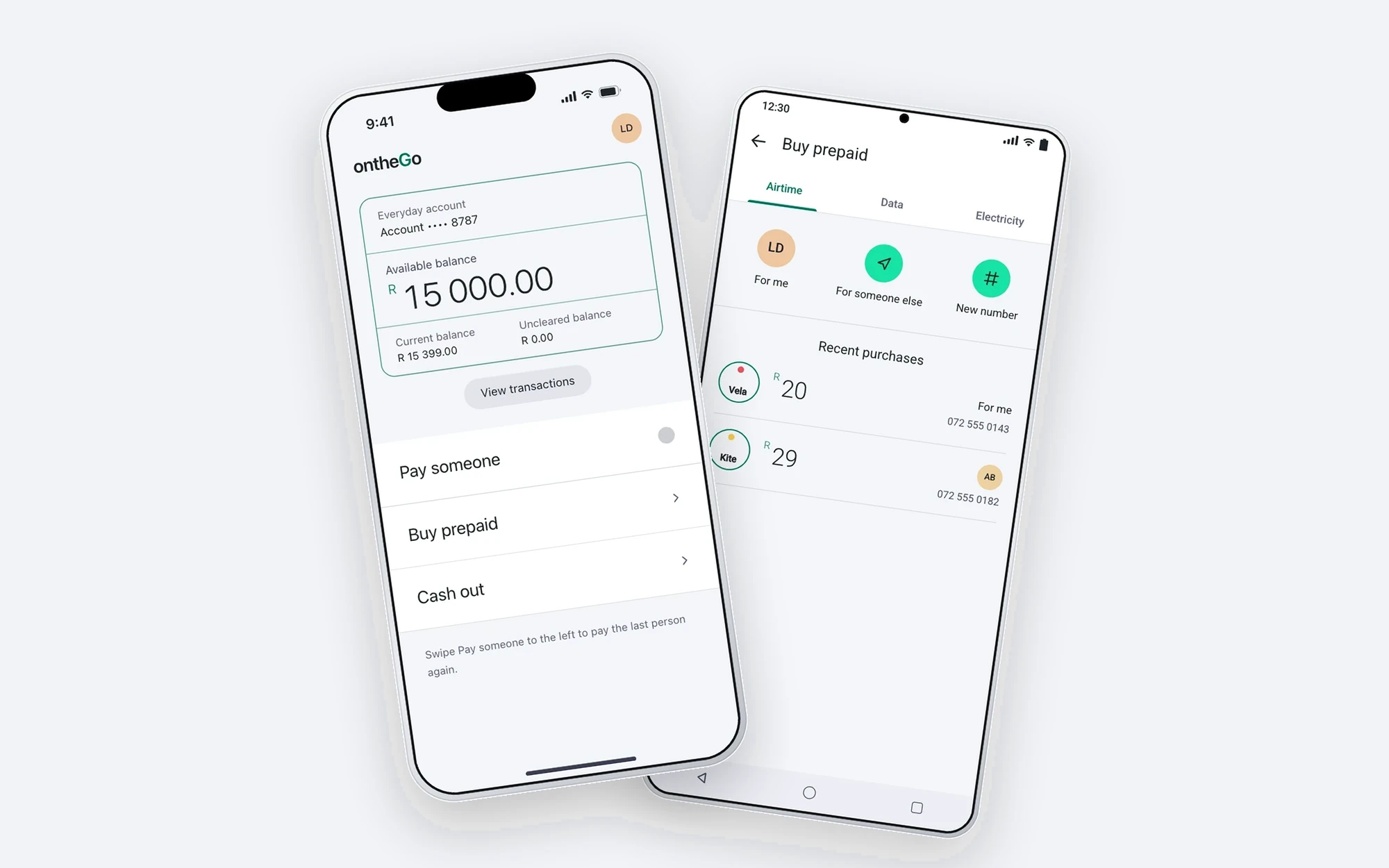
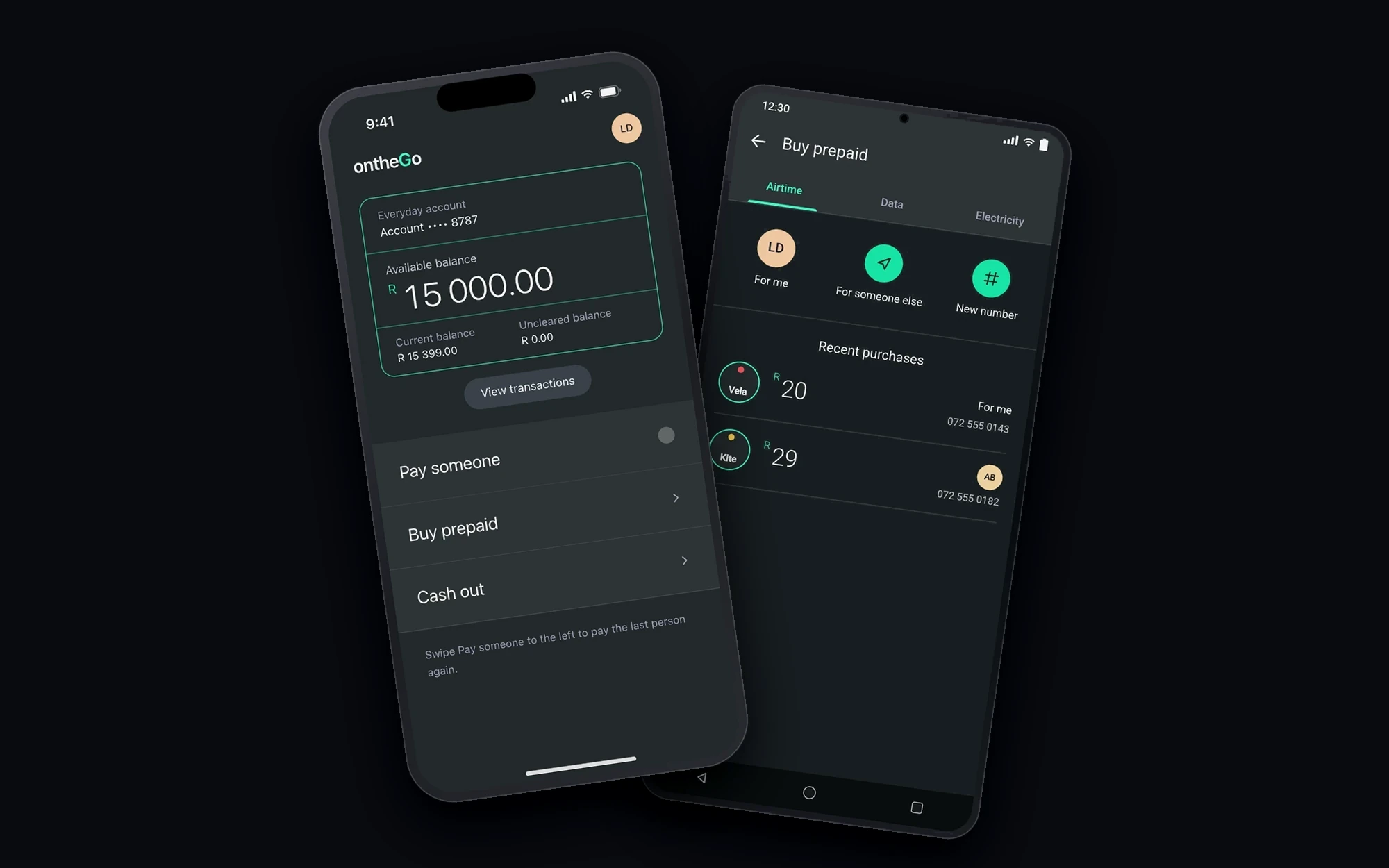 Mobile banking · iPhone and Android · Beta testedPaying anyone takes a swipe, not a second guessFewer mistaken transfers in the beta25%shorter task time to buy airtime than the old app, in the betaSenior UX/UI designerRead
More work
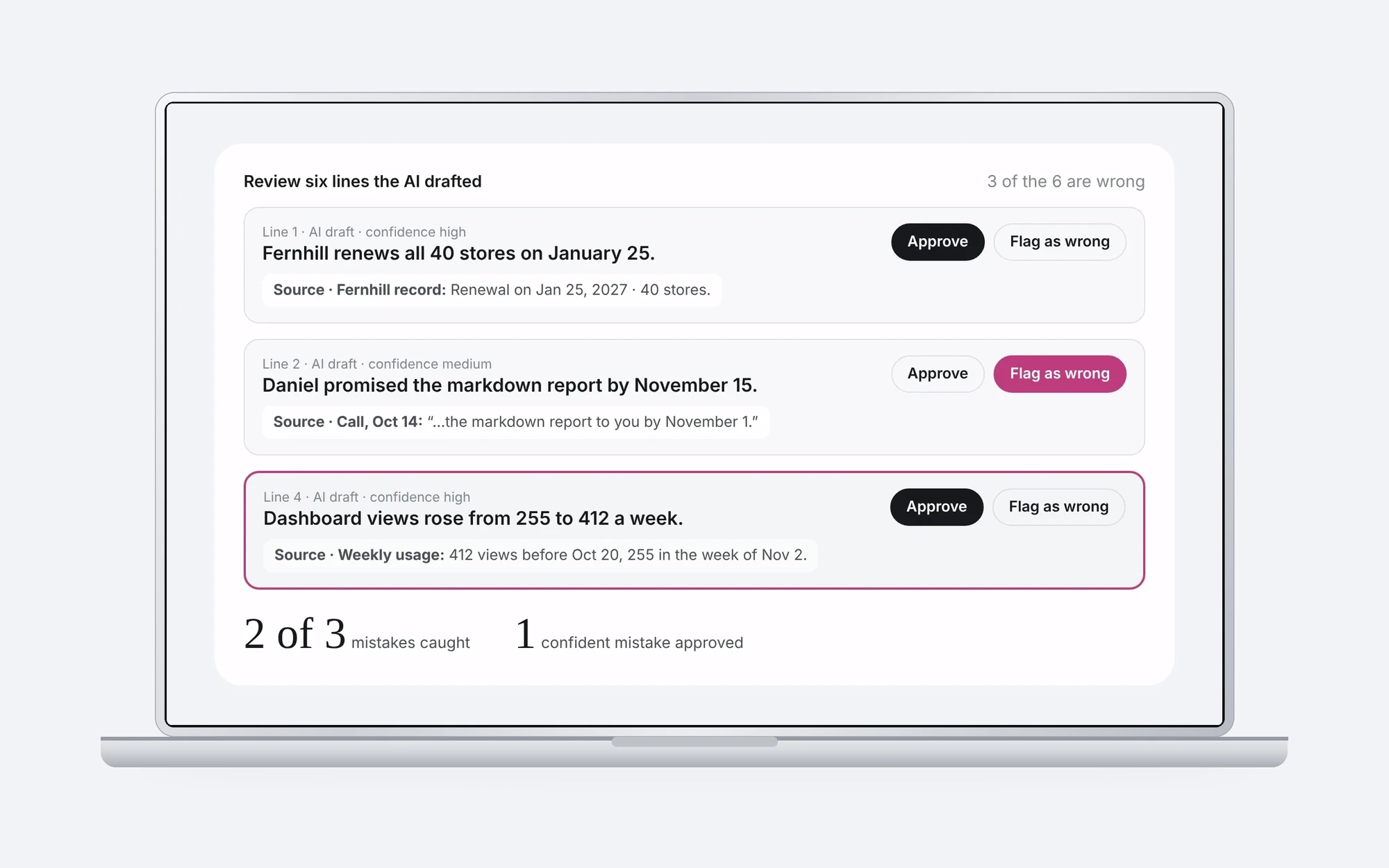
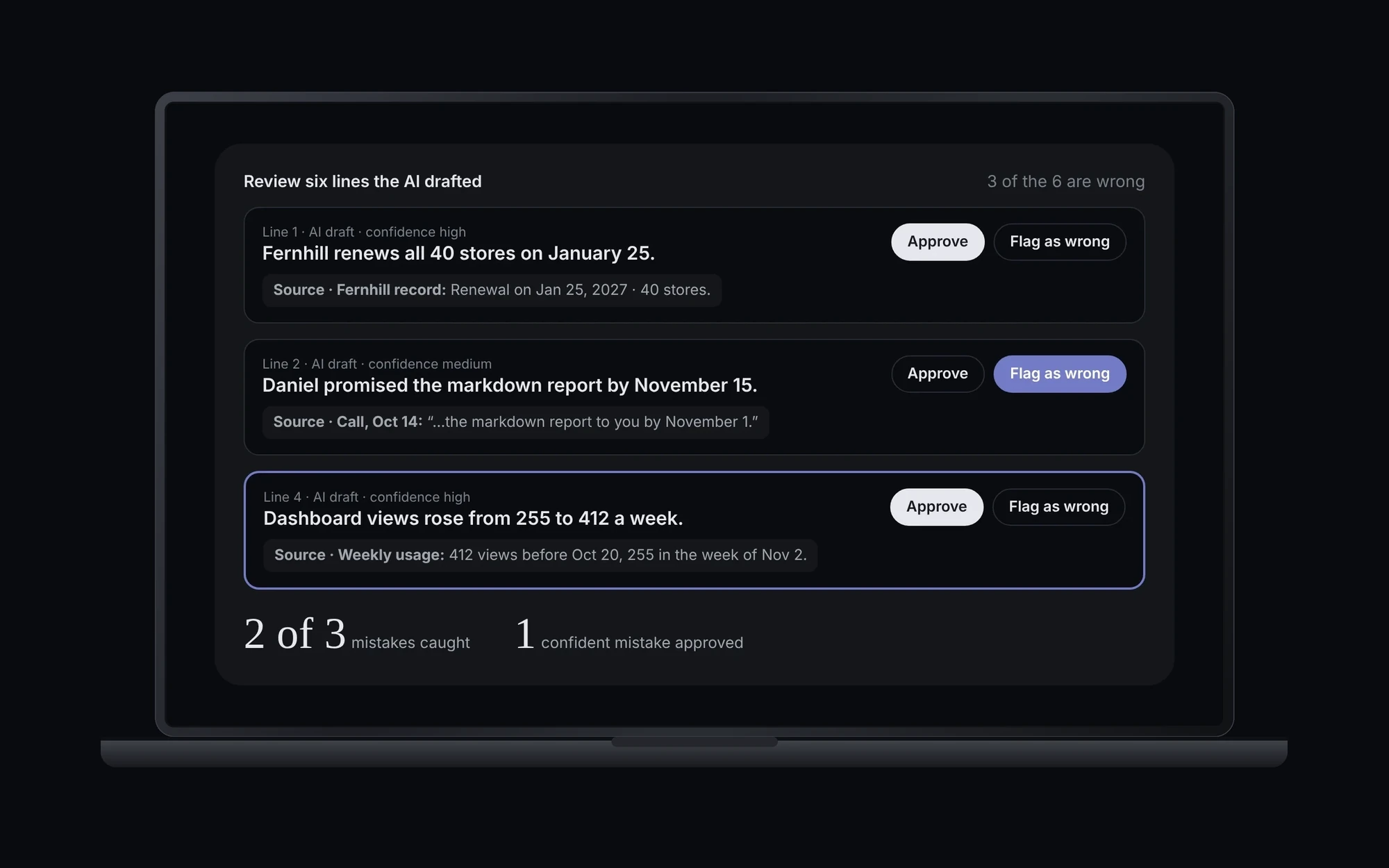 The AI’s Alibi · An AI oversight auditThe AI sounds sure. Would you notice when it’s wrong?Measures how often people catch AI mistakesWhy careful people approve confident AI mistakes, a test to try it yourself, and the fixes, shown on Groundwork.Method, test and fixesRead
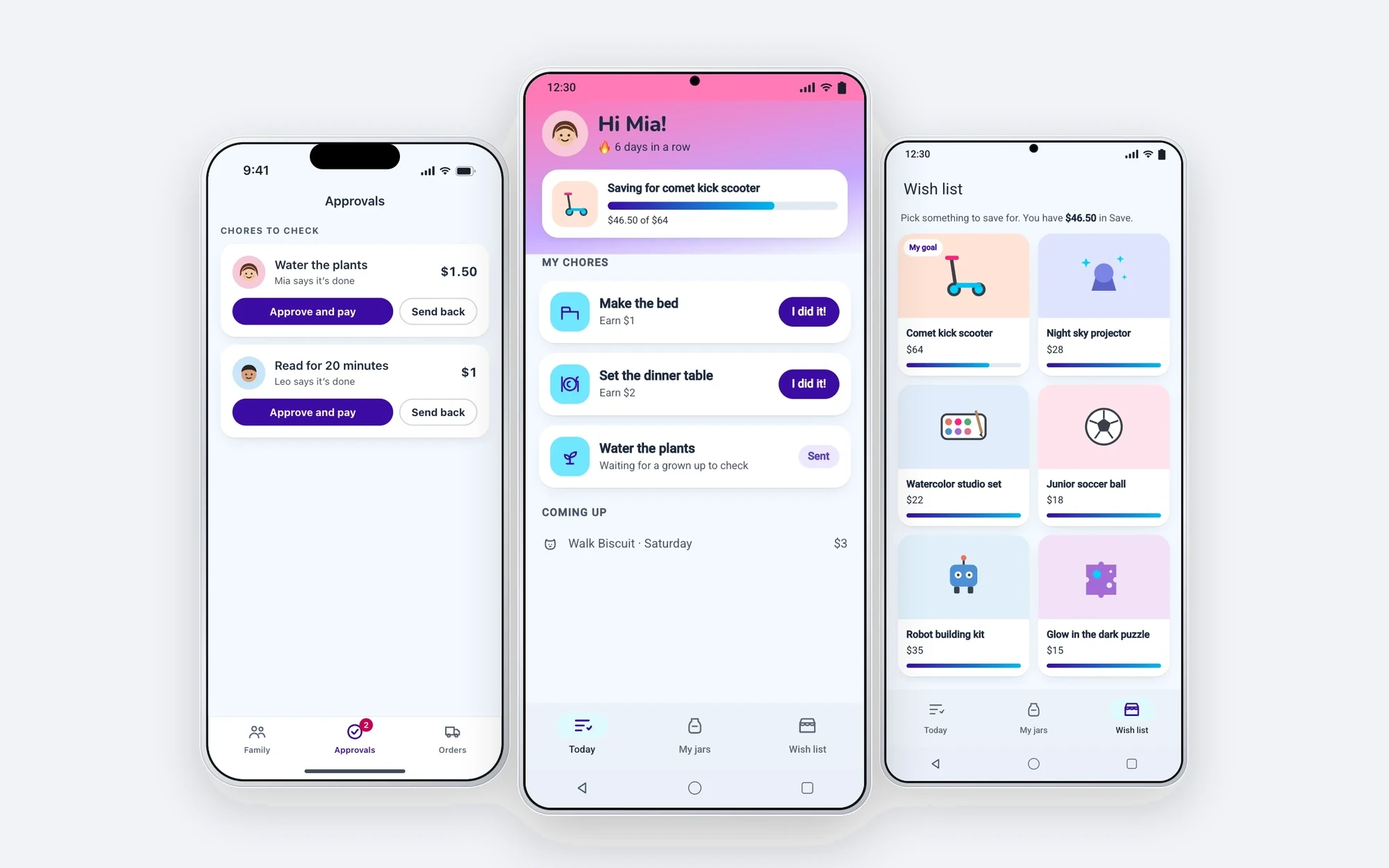
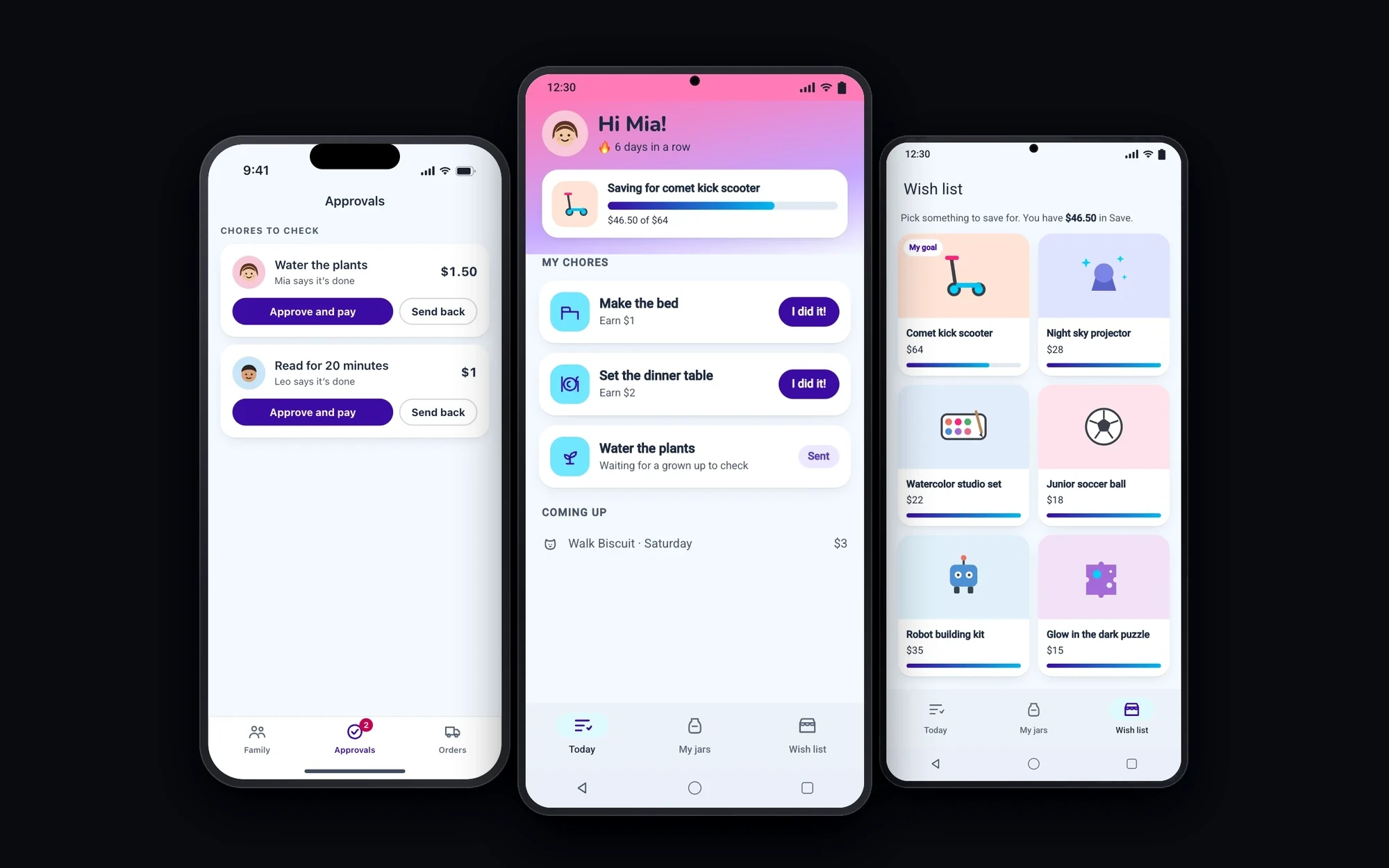 Concept · Family banking · E-commerceChores that grow into savings, with a wish list shopA parent’s app and a kid’s, in syncTwo working apps, a parent’s and a kid’s, in sync on iPhone and Android.Lead product designerRead
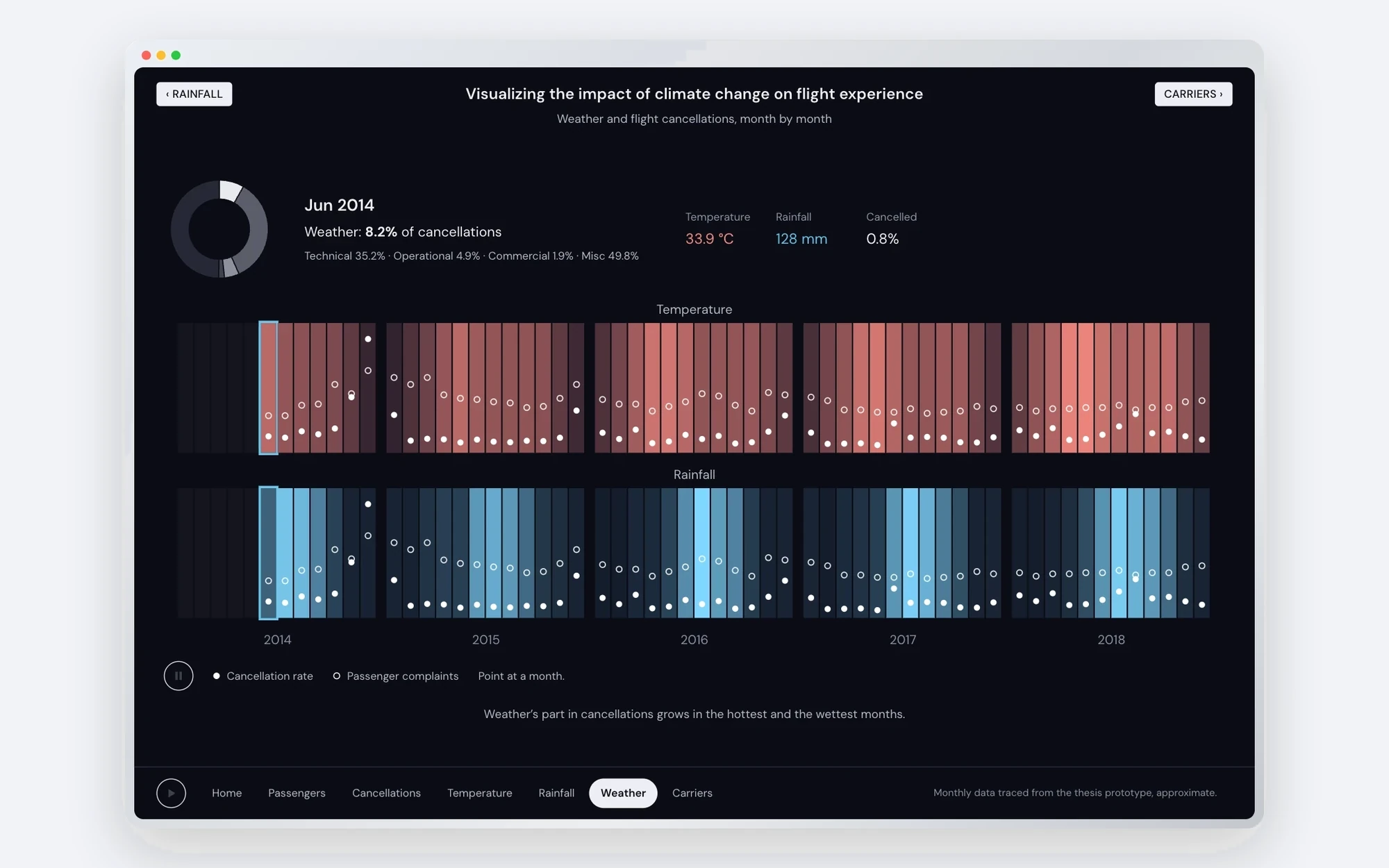
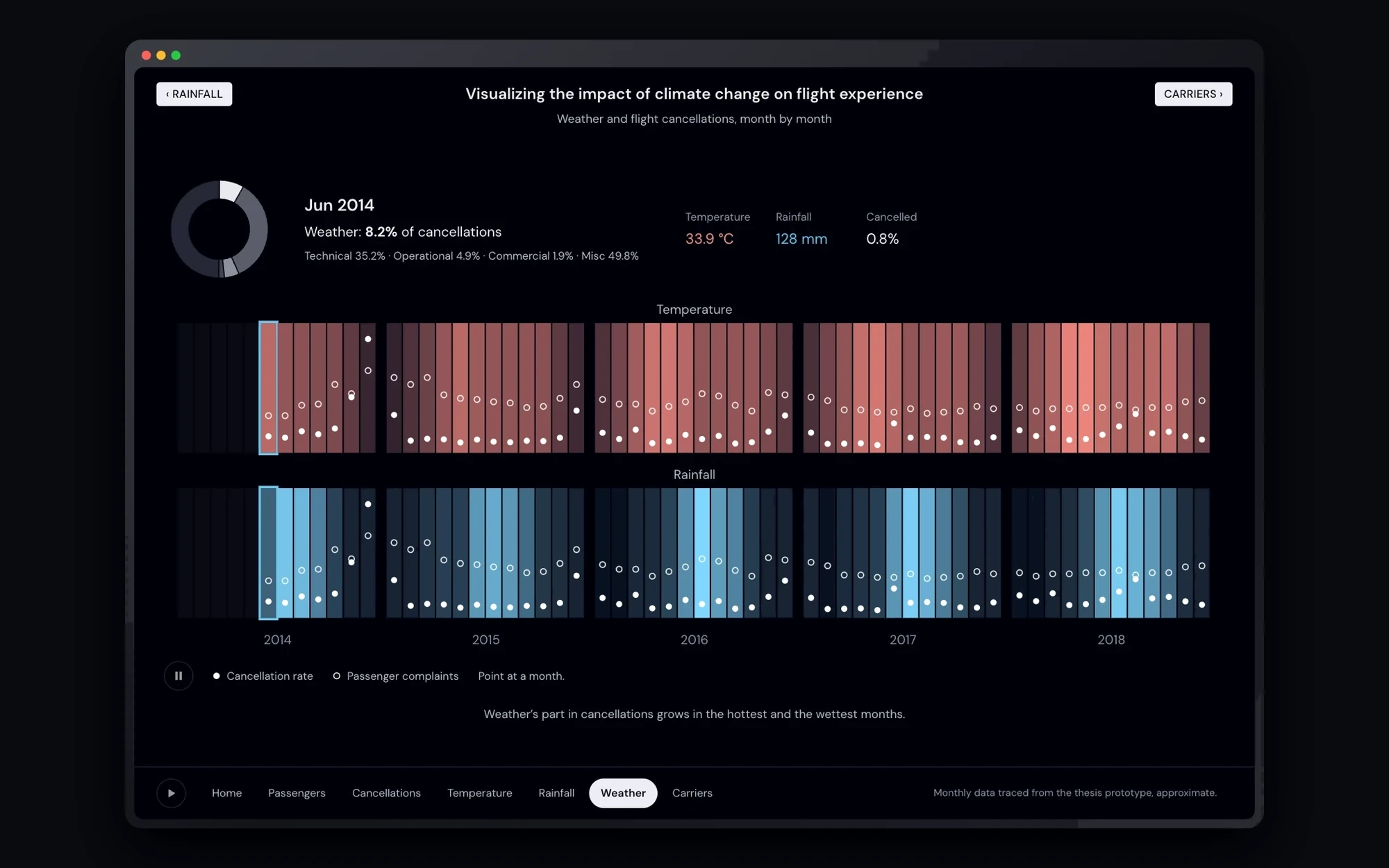 Parsons thesis · Data visualizationDoes a changing climate show up in the way India flies?Five years of data, one scrolling storyFive years of weather and cancellation data, told as an interactive story.Designer and researcherRead
How I work with AI
AI makes me faster from an idea to a working prototype. The decisions stay mine.
The judgment calls
Where intervention mattered
- 01
A chart that told the wrong story
A generated radial chart sized airlines by radius, which made the biggest look several times worse than they were. I switched it to a square root scale, so the area matches the number.
- 02
Real companies in made up data
AI filled a CRM rebuild with real company names and tickers. Before anything went public I replaced every one with invented names, and kept product and employer names off every image.
- 03
A chat window as the whole product
The first AI idea for a sales assistant was a chat box. Sales reps scan far more than they ask, so chat became a command bar on top of the dashboards.
- 04
A market gap too good to be true
The first competitor scan found no product doing what Groundwork set out to do. I asked AI to try to prove the idea already existed instead. Six more products turned up, and the pitch narrowed to trust: a source on every line.
- 05
A pipeline nobody would see
A generated layout put the sales pipeline under a long list, out of view on a laptop. I flagged it as a visibility problem, so the pipeline now sits beside the list and stays in view.
- 06
An overlay that hid the result
A standard dim overlay behind an item panel hid the cart updating behind it, the one thing the panel exists to change. I removed it, so the total moves in view, and Escape still closes the panel.
Packaged for a team
The process behind my recent work is written down as a kit any team can run: a prompt for each stage, a checkpoint where a person decides, the same decision record and prompt log every time, and checks that run on every change.
The kit on GitHub (opens in a new tab)It in use: Groundwork’s decisions (opens in a new tab)
Stage 1
Research
I decide which problems are real
Stage 2
Prove it isn’t built
I decide where the gap is
Stage 3
Structure
I choose the flows to build
Stage 4
Directions
I pick one and say why
Stage 5
Build
I read every change
Stage 6
Check
I decide if it ships
About
I design for behavioral impact over output. That starts with user research and inclusive design from the first draft, constraints that make it clearer for everyone.
With AI, I design the level of autonomy: what runs in the background, what asks for confirmation, and what shows its reasoning, so trust is calibrated rather than assumed.
Tools: Figma and Figma Make, design systems built on variables, working prototypes in React and Next.js, and Claude and Cursor for building with AI.
Working with me means
Six habits. Hover or tap a card to see one in practice.
Strategy built on the whole system
Before screens, I map the whole system: who touches the work, what each step depends on, and what people feel and fear. Strategy built on that map holds when the edge cases arrive. On Groundwork, “AI drafts, a person approves” came from why sellers stop trusting their CRM.
People, then data, then opinion
I start with why people act as they do: what they want, fear and skip. Then the data: logs, interviews, a spreadsheet of complaints. Opinions come last, and when we disagree, we look at the same evidence together.
Divergent and convergent, with real users
My process runs divergent and convergent thinking in a loop: many directions, then one decision, then open again when something new turns up. However much AI is in the work, I still interview people, talk with them and watch them use it live. That is where the surprises are.
Accessible from the first draft
Contrast, focus and screen readers get checked as I go, not in an audit at the end. Every text color on this site passes WCAG AA, in light and in dark. It matters because everyone needs it some day, with tired eyes, a phone in bright sun or a broken wrist, and what helps them makes the product clearer for all.
Scrapped often, rebuilt stronger
I share work while it is still cheap to change, scratch it and go again. I don’t shy away from throwing out a whole direction; the rebuild after it is usually the strongest version. You will hear “I don’t know yet” from me, and then I go and find out.
AI drafts, people decide
AI made me faster and moved where my time goes: early directions, prototypes in hours, the code behind this site. The judgment hasn’t changed. Years of experience have built strong instincts for decisions in the user’s best interest, and for when a person, not a model, should decide.